You have probably heard the standard advice: “save three to six months of expenses.” It gets repeated so often it’s basically become financial wallpaper everyone’s heard it, almost nobody has actually sat down and calculated what it means for their own life. This guide walks through how to figure out how much emergency fund you really need, where that money should actually sit, and how to build it up even if you’re starting from zero.
What an Emergency Fund Is Actually For
An emergency fund is not a savings goal, a vacation fund, or an investment account. It has exactly one job: covering essential expenses when your income stops or a large unplanned cost hits, so you’re not reaching for a credit card or a high-interest loan to survive the month. Job loss, medical bills, a car repair, an urgent flight home these are the events an emergency fund exists to absorb.
If you dip into it for something that isn’t a genuine emergency, it stops doing its job. That’s why most people are better off keeping this money in a separate account from their everyday checking, even if the interest rate is identical the friction of “I have to transfer this on purpose” is the whole point.
How Much Emergency Fund Do You Need? The Real Formula
The generic 3–6 month rule skips the biggest variable: how stable is your income, and how fast could you actually replace it if it disappeared?
Use this adjusted framework instead:
Base target = Monthly essential expenses × Risk multiplier
Your risk multiplier depends on your situation:
| Situation | Multiplier |
| Stable job, dual income household, in-demand skills | 3 months |
| Stable job, single income household | 4–5 months |
| Freelance / commission-based / variable income | 6–9 months |
| Sole income earner supporting dependents | 6–8 months |
| High job security (tenured, government, essential industry) | 2–3 months |
Important: Use essential monthly expenses only rent/mortgage, utilities, groceries, insurance, minimum debt payments, transportation. Leave out subscriptions, dining out, and discretionary spending. In a real emergency, those get cut first anyway, so your emergency fund doesn’t need to cover them.
Worked Example
Sarah’s essential monthly expenses: $2,400 Sarah is a freelance graphic designer (variable income) → multiplier: 7 months
Target emergency fund: $2,400 × 7 = $16,800
That number might feel intimidating at first glance which is exactly why the next section matters more than the target itself.
Where to Actually Keep Your Emergency Fund
Your emergency fund needs to satisfy three requirements at the same time: safe, liquid, and separate.
- High-yield savings account (HYSA): The most common choice. FDIC/deposit-insured, accessible within a day or two, and currently earns meaningfully more interest than a standard checking or savings account.
- Money market account: Similar safety and liquidity to a HYSA, sometimes with check-writing privileges attached.
- What to avoid: Stocks, crypto, or anything that can lose value right when you need it most. Also skip accounts with early-withdrawal penalties (like most CDs) if there’s a fee to access your own money quickly, it’s not an emergency fund, it is an investment.
A common mistake is chasing the “best” interest rate across five different apps. Pick one reputable HYSA, automate transfers into it, and stop trying to optimize the rate by half a percentage point the difference on a few thousand dollars is a few dollars a year. Consistency beats an extra 0.3% APY every time. You can compare current HYSA rates using SavingsBeat’s savings account comparison tool before picking one.
Building Your Emergency Fund From Zero (Without Losing Your Mind)
If $16,800 feels impossible, that’s completely normal don’t try to hit the full number in month one. Break it into stages instead:
Stage 1 — The “Stop the Bleeding” Fund: $1,000
This alone prevents most small emergencies (a flat tire, a broken appliance, a vet bill) from turning into credit card debt. Prioritize this before aggressively paying down low-interest debt.
Stage 2 — One Month of Essential Expenses
This buys you breathing room and the ability to think clearly if something bigger happens.
Stage 3 — Your Full Emergency Fund Target (3–9 Months)
Build this gradually while also contributing to retirement and other goals it does not need to happen before everything else in your financial life.
Practical ways to fund it faster:
- Automate a fixed transfer on payday, even if it’s just $50 automation beats willpower.
- Redirect one recurring subscription’s worth of money ($10–20/month) straight into the fund.
- Send tax refunds, bonuses, and cash gifts directly into the account before you “see” the money in checking.
- Use a round-up savings tool if your bank offers one small, painless, and it adds up faster than you’d think.
For a step-by-step savings plan tailored to your number, SavingsBeat’s Savings Goal Calculator can turn your target into a concrete monthly contribution and a realistic completion date.
When It’s Okay to Use Your Emergency Fund (And When It’s Not)
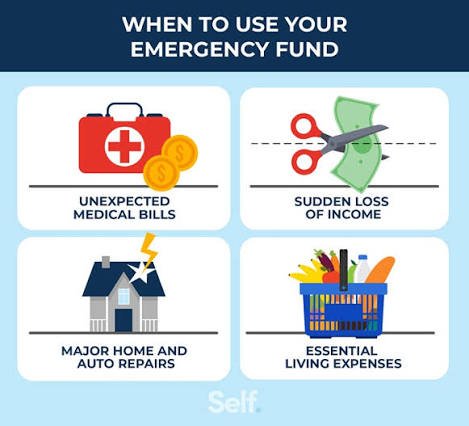
Legitimate uses: Job loss, essential medical or dental costs, urgent home repairs (a broken furnace in winter), essential car repairs needed for work, unexpected essential travel (family emergency).
Not emergencies: Sales and discounts (“this deal won’t last”), predictable annual costs like holiday gifts, or non-essential upgrades. Those belong in separate sinking funds you build up in advance, according to general guidance from the Consumer Financial Protection Bureau on building savings.
If you do have to use it, treat refilling it as a top financial priority set a specific timeline to get back to your target, the same way you’d treat paying off a loan.
The Bottom Line
Your emergency fund number isn’t a Pinterest quote it’s a calculation based on your actual expenses and how exposed your income is to disruption. Start with $1,000, build toward one month, then grow steadily toward your full target using the multiplier table above. Keep it in a high-yield savings account, separate from your daily spending, and automate the contributions so building it does not rely on motivation alone.
This article is for educational purposes only and does not constitute financial advice. Consult a licensed financial advisor for guidance specific to your situation.