A salary hike percentage calculator turns two numbers, your old pay and your new pay, into one clear figure. That figure tells you if your raise is strong, average, or behind. In 2026, US employers are budgeting average raises of roughly 3.5%. This guide shows the exact formula and what your number really means.
How to Calculate Your Salary Hike Percentage
The formula is simple. Subtract your old salary from your new salary. Divide that difference by your old salary, then multiply by 100.
Say your salary moved from $58,000 to $61,500 this year. Subtract $58,000 from $61,500 and you get a $3,500 raise. Divide $3,500 by $58,000, multiply by 100, and your hike comes out to 6.03%. That single number is what most salary hike percentage calculators return instantly.
Small rounding mistakes change the picture more than people expect. A hike of 5.9% and one of 6.1% look almost identical, but over ten years of compounding raises, that gap adds up. Always calculate to two decimal places before comparing offers or negotiating.
Common Mistakes When Calculating a Salary Hike
Many people calculate their hike against the wrong base number. Using your new salary as the denominator instead of your old one always understates the real percentage. Always divide by the figure you started with, not the one you ended with.
Another common error is mixing gross and net pay. Your salary hike percentage should always use gross, pre-tax figures on both sides of the calculation. Comparing a new gross salary to an old net figure will inflate the raise and mislead your budgeting decisions.
People also forget to separate a raise from a bonus. A one-time bonus is not part of your base salary, so it should never be folded into your hike percentage. Keep bonuses out of the formula and track them separately against your total compensation instead.
What Counts as a Good Salary Hike in 2026
Context matters more than the raw number. US employers planned average total salary increases of about 3.5% for 2026, according to compensation surveys from Mercer and Payscale, a slight pullback from 2025 as companies stay cautious about budgets. Anything close to that figure is a normal, on-track raise, not a sign your employer undervalues you.
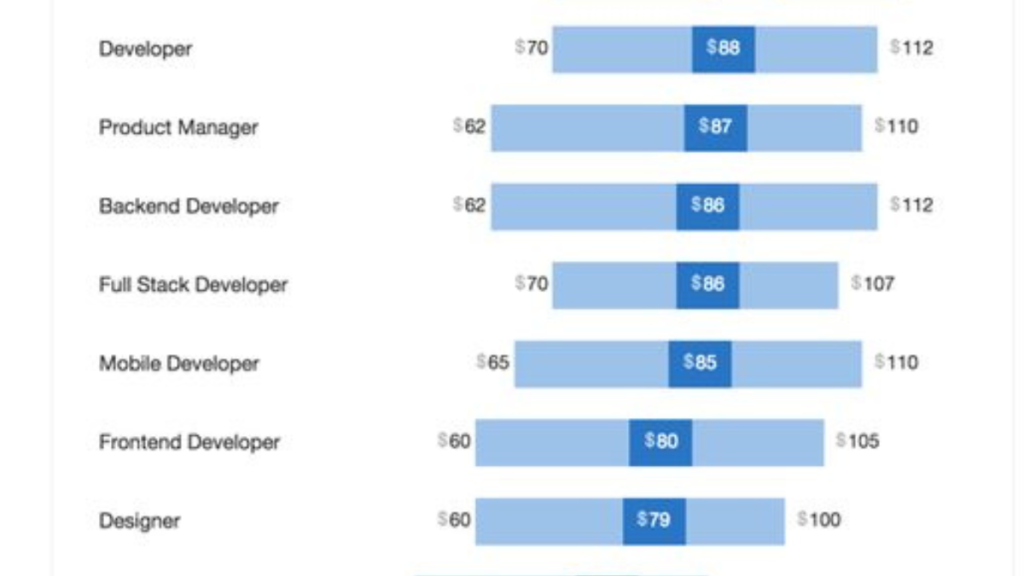
Technology and financial services firms tend to budget higher, often between 3.5% and 4.5%. Nonprofits and smaller employers often land closer to 2.5% to 3%. Wage growth data from the Bureau of Labor Statistics tracks these patterns by sector, so you can check where your industry sits before you judge your own raise.
Company size shifts the number too. Large corporations with formal merit matrices tend to cluster tightly around the national average. Smaller employers have more budget flexibility, which means their raises can swing wider in both directions depending on a single year’s revenue.
Salary Hike Percentage by Career Stage
Where you sit in your career changes what a normal hike looks like. Early-career employees often see larger percentage jumps, partly because job changes deliver bigger raises than staying put. A jump from $45,000 to $50,400 is a 12% hike, well above the market average, and that gap is common in the first few job changes of a career.
Mid-career raises tend to compress closer to the standard 3% to 4% merit range, since promotions become less frequent and pay bands get narrower. Late-career employees near the top of their salary band often see the smallest percentage increases, even with strong performance, simply because there is less room left to climb. None of these patterns mean something is wrong. They reflect how pay structures are built around experience and market position.
Salary Hike Percentage vs Inflation
A hike percentage on its own does not tell you if you are actually better off. If inflation runs at 4% and your raise is 3%, your real purchasing power just dropped. This is the part most salary hike calculators skip, and it is the part that matters most for your budget.
To know your real gain, subtract the current inflation rate from your hike percentage. A 6% raise against 4% inflation leaves you with roughly 2% in real terms. That 2% is what actually funds savings, debt payoff, or lifestyle upgrades, not the headline number your employer announces.
Tracking your real raise matters more in years when prices move fast. The Consumer Financial Protection Bureau notes that households who plan around nominal income, without adjusting for inflation, tend to underestimate how far a raise actually stretches. Checking both numbers together keeps your budget honest.
How Bonuses and Promotions Change the Picture
A promotion usually comes with a larger jump than a standard annual review, often landing between 8% and 15% depending on the role and level change. That size difference is exactly why bonuses and promotion raises should be tracked separately from routine merit increases. Blending them into one figure hides which part of your pay growth is repeatable and which part was a one-time event.
If your raise includes a signing bonus or a retention bonus, calculate your base salary hike first, then note the bonus as a separate lump sum. This keeps your year-over-year comparisons accurate going forward. It also gives you a cleaner number to bring into any future negotiation, since base salary is what compounds over your career.
Turn Your Raise Into Real Progress
Once you know your exact hike percentage, decide where the extra money goes before it disappears into daily spending. Run the new take-home amount through a budgeting tool so every added dollar has a job from month one. People who plan a raise before it hits their account save a noticeably higher share of it.
If part of your raise is going toward long-term goals, a compound interest calculator shows how even a small monthly increase in contributions grows over years. Directing just $150 of a raise into investments monthly, instead of spending it, builds a materially larger balance by retirement age. Pair that with a retirement calculator to see the long-run effect on your specific timeline.
Your hike percentage also feeds directly into your bigger financial picture. Update your net worth calculator after every raise, since higher income changes how fast your savings rate can close gaps in debt or investments. Tracking this yearly, not just checking your pay stub, is the habit that separates people who build wealth from people who just earn more.
The Bottom Line
Your salary hike percentage is one number, but it only means something next to inflation, your industry average, and your own plan for the extra income. A 3.5% raise in 2026 is normal, not disappointing, once you see where the market actually stands. Calculate the exact figure, compare it honestly, then put it to work instead of letting it blend into your regular spending.