Grocery shopping for one person often costs more per meal than shopping for a family. The USDA’s 2026 moderate-cost food plan puts a single adult’s monthly grocery budget between $355 and $465, depending on age and gender. Small households miss out on bulk pricing, so waste and impulse buys hit harder. These steps close that gap fast.

Why Solo Grocery Bills Run High
Bulk packs assume a bigger household. Buy a five-pound bag of onions for one person, and half of it rots before you use it. This waste, not the price tag, is what drains a solo budget the most.
Here is what fixing it looks like in real numbers. Switch your main grocery run from a mid-range supermarket to a discount chain like Aldi, and a single adult spending $400 a month can drop to about $260. That is $140 saved every month, or $1,680 a year, just from where you shop.
Switch Stores Before You Change Your Diet
Store choice moves the needle more than any coupon app. Discount grocers often price staples 20% to 40% below traditional supermarkets on the exact same items. You do not need to change what you eat to see the savings.
Pick one discount store near you and do a full month there. Compare your total spend to last month’s receipts. Most people see the biggest single drop in their entire grocery budget from this one change alone.
Build a Meal Plan Around What Is on Sale
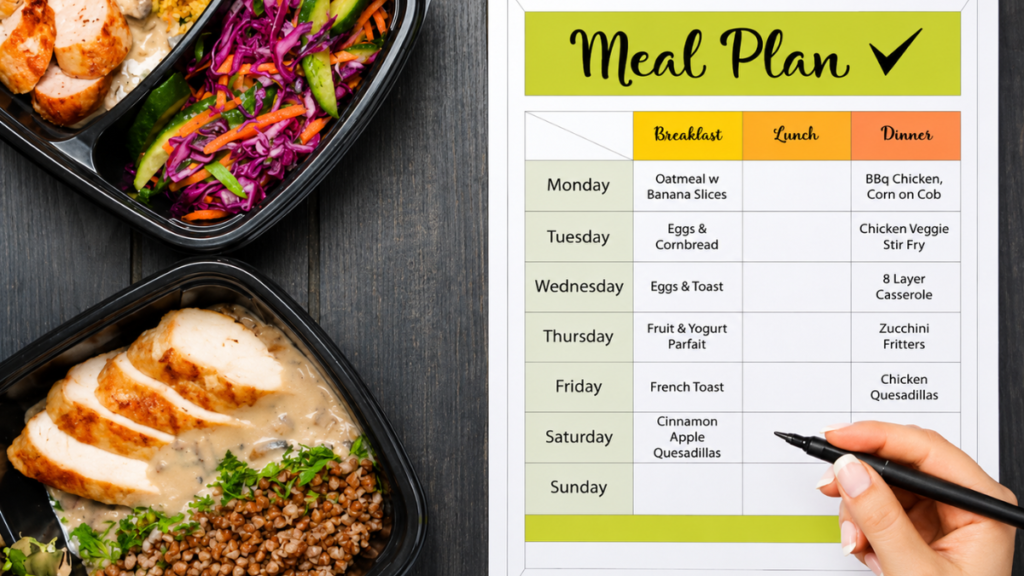
Plan meals after you check the weekly sale flyer, not before. This flips the usual order and saves real money. You buy what is cheap that week and build dinners around it instead of chasing a fixed recipe list.
Keep five to six meals on rotation that use overlapping ingredients. Overlap means less waste and fewer specialty items sitting unused in your fridge. A single adult eating the same core ingredients across meals spends less per plate than someone cooking a different cuisine every night.
Buy in Portions You Will Actually Finish
Family-size packaging is not a deal if half of it spoils. Look at unit price, the cost per ounce or per item, not the total price on the label. A smaller pack with a lower unit price beats a large one you cannot finish in time.
Freeze proteins and bread in single-serving portions the day you buy them. This one habit cuts food waste more than any other change for people who shop and cook alone. Waste, not sticker price, is the hidden cost most single-person households never track.
Use Store Brands Without Losing Quality
Store brands typically cost 15% to 30% less than name brands for identical products. Milk, pasta, canned beans, and frozen vegetables are nearly always made in the same plants as the name brand. Taste and quality differences are minimal for most staple items.
Test one store brand swap per shopping trip instead of switching everything at once. This way you know exactly which swaps you are happy with. Keep the name brand only for the one or two items where the difference actually matters to you.
Track Every Purchase for One Month
You cannot fix what you do not measure. Save every receipt or photograph them for 30 days and sort spending into categories like produce, meat, and snacks. Most single adults find one category, often snacks or takeout disguised as groceries, eating 20% or more of the total budget.
Once you see the pattern, cut that one category first. A single targeted fix usually saves more than five small, scattered changes across your whole list.
The Bottom Line
Saving money on groceries as one person comes down to two things: where you shop and how much you waste. Switch to a discount store, buy portions you will finish, and track your spending for a month. Those three moves alone can cut $100 to $150 off your monthly grocery bill without changing your diet.